
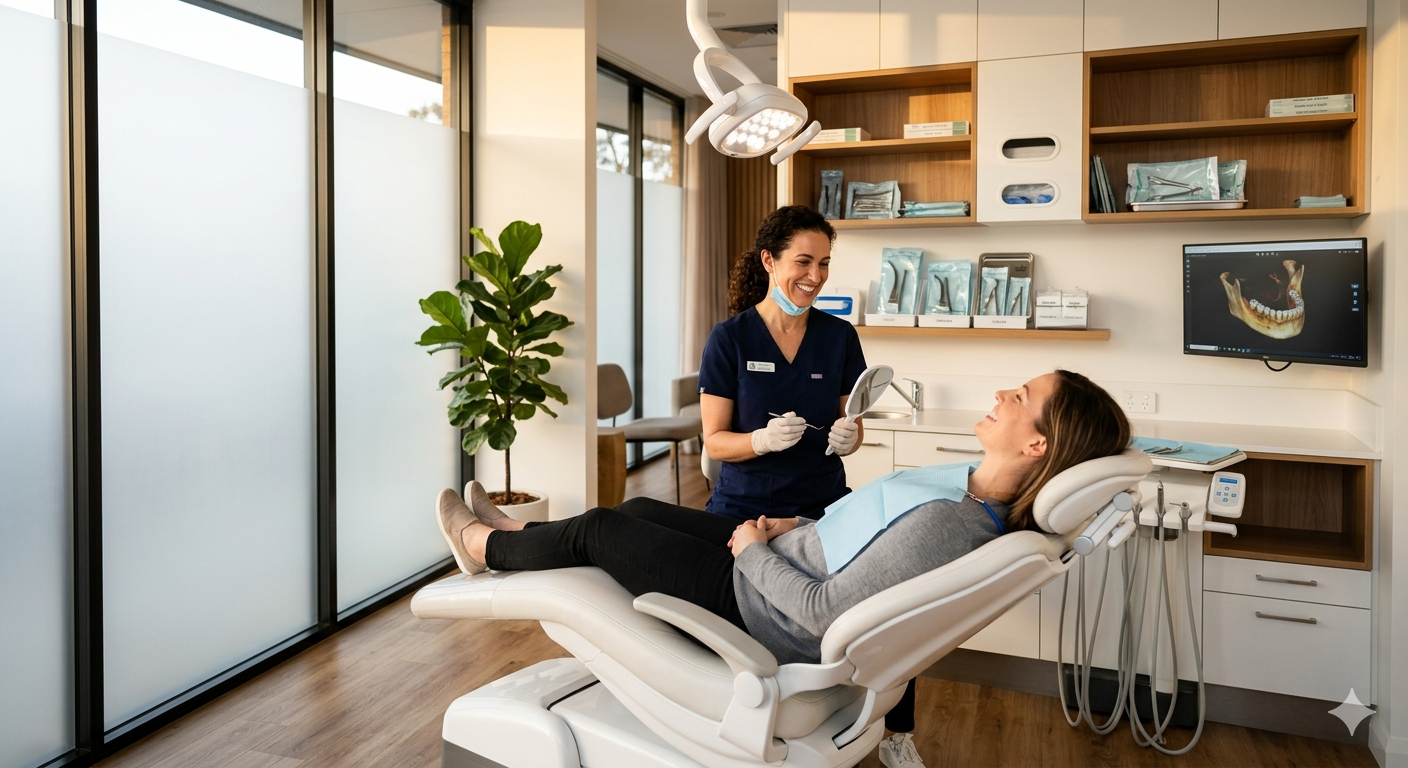
Emergency Dentist Gardena CA: Your Friendly Guide to Quick, Comfortable Dental Care
When dental pain or injury strikes unexpectedly, knowing where to turn in Gardena, CA, can make all the difference. An emergency dentist in Gardena is available to provide timely care for issues like severe toothaches, broken teeth, or sudden swelling. Quick access to professional help helps prevent further damage and eases discomfort fast.
These local dental professionals understand that emergencies don’t follow a schedule. They offer same-day appointments or after-hours care designed to address urgent dental problems with comfort and expertise. Whether it’s a cracked tooth from an accident or sudden pain from an infection, prompt treatment can save the tooth and reduce stress.
Choosing an emergency dentist who prioritizes gentle care and clear communication is important. They use modern techniques to manage pain effectively and guide patients through the next steps. If someone experiences a dental emergency, reaching out early can lead to better outcomes and peace of mind.
When to Seek Urgent Dental Care
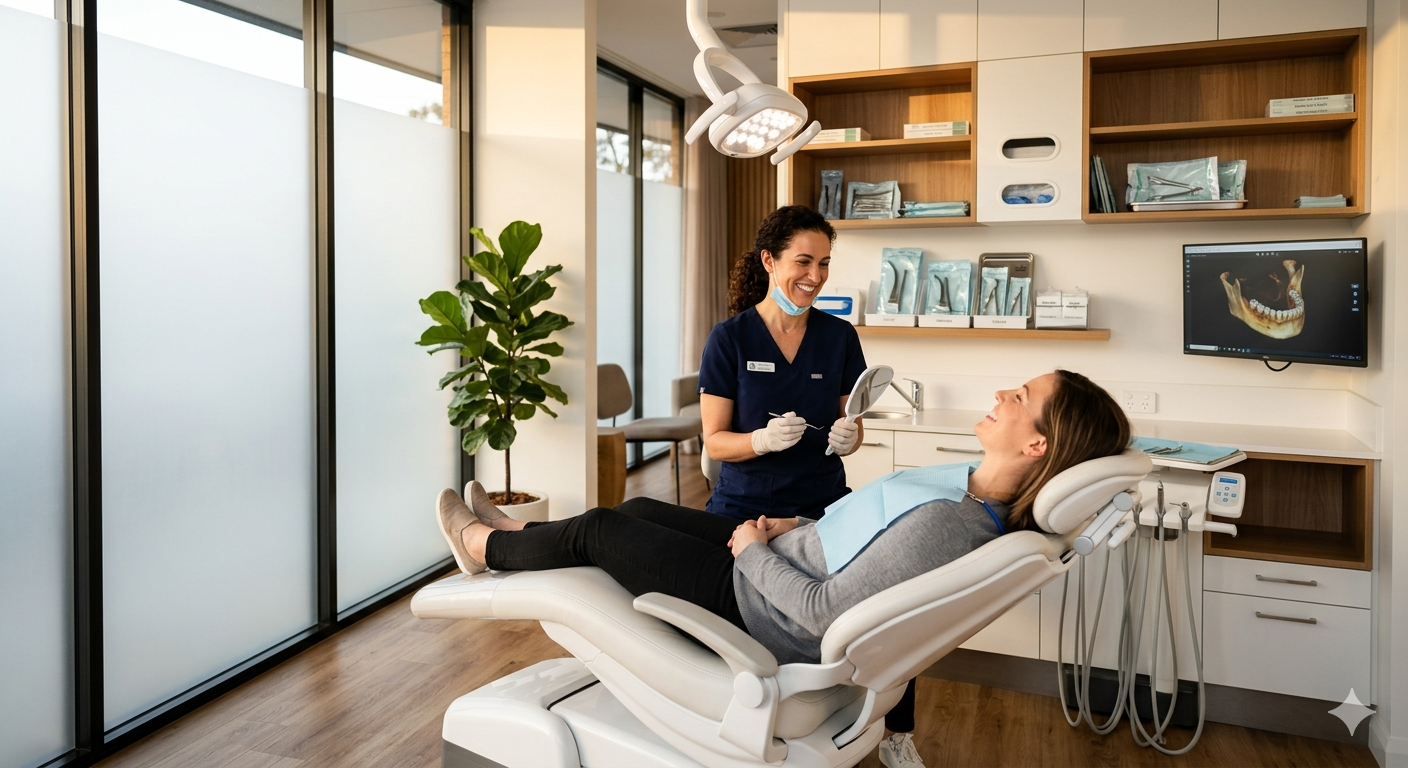
Knowing when to act fast can protect your smile and prevent complications. Some dental issues require immediate treatment, while others can wait a day or two. Recognizing key signs and understanding basic self-care before visiting the dentist helps ease discomfort and improve outcomes.
Signs You Need Immediate Attention
Persistent, intense tooth pain, especially if it disrupts sleep or daily activities, signals the need for prompt care. Significant bleeding that doesn’t stop after 15 minutes is a warning sign.
Other urgent symptoms include swelling in the face or gums, which could indicate infection. A knocked-out tooth or severely fractured tooth also demands quick action to improve chances of saving it.
If you experience fever alongside dental pain, this may show infection spreading and shouldn’t be ignored.
Common Types of Dental Emergencies
Knocked-out teeth often happen from accidents or sports injuries and require immediate dental attention to possibly reinsert the tooth. Cracked or broken teeth can expose nerves, causing pain and infection risk.
Severe toothaches usually point to cavities or abscesses needing urgent treatment. Lost fillings or crowns may not be urgent but can become problematic if discomfort or sensitivity arises.
Infections causing swelling, pain, and fever must be treated quickly to avoid spreading beyond the mouth.
How to Respond at Home Before Your Appointment
Rinse your mouth gently with warm salt water to reduce bacteria and soothe irritated areas. Apply a cold compress outside the cheek to lessen swelling and relieve pain.
Avoid chewing on the injured side. Use over-the-counter pain relievers like ibuprofen, but skip aspirin as it can increase bleeding. For a knocked-out tooth, keep it moist by storing it in milk or a tooth preservation kit—never dry it out.
Do not attempt to push a broken tooth back in. Instead, collect any fragments and bring them to the dentist. Calling your emergency dentist promptly ensures the best care.
Comprehensive Services for Emergency Dental Needs
Emergency dental care in Gardena, CA, covers a wide range of urgent treatments designed to relieve pain, repair damage, and prevent further complications. Skilled dentists use proven techniques tailored to each situation, ensuring patients receive quick and effective care when it matters most.
Treatment Options for Toothaches and Fractures
Toothaches often signal an underlying issue like decay, infection, or injury. Dentists perform thorough exams to pinpoint the cause and provide targeted relief. This may include deep cleaning, cavity fillings, or root canal therapy if the nerve is affected.
For fractured teeth, treatment depends on the severity. Minor chips can be smoothed or repaired with bonding material, while larger fractures might require crowns or, in severe cases, extraction. Pain management and infection prevention are priorities throughout.
Managing Broken or Knocked-Out Teeth
When a tooth breaks or is knocked out, immediate action is crucial. Dentists first assess the damage and attempt to save the tooth whenever possible. Reimplantation is often successful for knocked-out teeth if performed quickly—ideally within an hour.
If the tooth can’t be saved, options like dental implants or bridges are discussed. For broken teeth, protective crowns restore function and appearance. In every case, gentle care and clear instructions help patients through recovery.
Relief for Swelling and Infections
Swelling and infections require prompt dental attention to prevent serious complications. Dentists typically prescribe antibiotics to control infection and may perform procedures like drainage or root canals.
For pain and swelling, cold compresses and over-the-counter pain relievers are recommended alongside professional treatment. Monitoring symptoms closely is key, and follow-up visits ensure healing stays on track.
Personalized Approach to Patient Comfort
Comfort is a priority when patients face dental emergencies. Using specific pain control methods and understanding patient fears helps make the experience less stressful and more manageable.
Gentle Techniques for Pain Management
Emergency dentists in Gardena use targeted local anesthesia to numb only the problem area, which reduces discomfort during treatment. They often combine this with topical gels that numb the gums before injections, making the process smoother.
Modern tools like digital imaging and minimally invasive instruments allow for quicker, more precise work, limiting tissue damage and recovery time. For severe pain, dentists may offer sedation options such as nitrous oxide or oral sedatives.
This approach ensures that patients feel as little pain as possible during urgent procedures, enabling faster relief and lowering anxiety about future visits.
Support for Anxious Patients
Dentists recognize that fear can delay patients from seeking help. Staff are trained to create a welcoming atmosphere by explaining each step clearly and allowing patients to ask questions at any time.
Techniques like guided breathing, distraction methods using music or video, and the presence of a comforting companion are common. Some offices offer sedation dentistry to calm those with extreme anxiety, allowing them to receive treatment without overwhelming fear.
This personalized care helps patients gain confidence and feel supported, which is especially important during urgent, often painful dental situations.
Modern Technology and Instant Diagnostics
Emergency dental care in Gardena relies on advanced tools that deliver quick, precise results. These technologies help dentists identify issues faster and offer treatments that are both effective and comfortable.
Digital Imaging for Fast Results
Digital X-rays and imaging systems have transformed emergency dentistry by producing instant, clear images of teeth and surrounding structures. Unlike traditional films, digital images appear on a screen within seconds, allowing dentists to quickly spot fractures, cavities, or infections. This speed is crucial in emergencies when time matters.
Digital imaging also reduces radiation exposure by up to 80%, making it safer for patients. Dentists can zoom, enhance, and share images easily, which supports accurate diagnoses and better treatment planning. This technology minimizes guesswork and speeds up the entire emergency process.
Environmentally Friendly Practices
Many emergency dentists in Gardena now adopt green practices that reduce environmental impact. These include using digital records to cut down on paper waste and energy-efficient lighting in treatment rooms.
Additionally, some offices invest in sterilization equipment that consumes less water and energy. They also prioritize recycling dental materials and packaging whenever possible. These efforts not only help the planet but also create a cleaner, healthier space for patients during urgent visits.
How to Prepare for Your Emergency Visit
Preparing carefully for an emergency dental visit can make a big difference in how smoothly the appointment goes. Knowing what to bring and how to communicate symptoms helps the dentist provide quick, effective care.
What to Bring and Expect Upon Arrival
Patients should bring their dental insurance card, a photo ID, and any recent dental records if available. Having a list of current medications is important too because some treatments depend on medical history.
Expect the front desk to ask for personal information and emergency details. The waiting time is usually shorter than regular visits, but it’s helpful to be patient. The office team may provide immediate pain relief options like ice packs or medication advice while prepping for treatment.
Wearing comfortable clothing and arriving early can reduce stress. The dentist might request X-rays or photos, so being ready for quick diagnostic steps helps speed up care.
Sharing Your Symptoms Effectively
Clear communication is key to getting the right treatment fast. Patients should describe the pain’s location, intensity, and when it started. Mention any swelling, bleeding, or sensitivity to hot or cold.
Using simple descriptions like “sharp,” “throbbing,” or “constant” pain gives the dentist a better picture. If the problem resulted from an injury, explaining exactly what happened can guide diagnosis.
It also helps to share past experiences with dental problems or allergies to medications. This allows the dentist to tailor treatment safely and comfortably. Encouraging openness reduces treatment time and improves outcomes.
Preventing Future Dental Emergencies
Taking simple, everyday precautions can reduce the risk of sudden dental problems. Consistent oral care and using the right protection during activities both play crucial roles in keeping teeth safe. By focusing on these habits, patients can lower the chance of painful or urgent dental visits.
Tips for Daily Oral Care
Daily habits directly affect dental health and the likelihood of emergencies. Brushing twice a day with fluoride toothpaste helps prevent decay that weakens teeth. Flossing once daily removes food particles that brushing misses, avoiding gum disease and infections.
Avoiding hard foods like ice and unpopped popcorn kernels prevents chips or cracks. Limiting sugary snacks and drinks reduces acid attacks on enamel, which can cause cavities. Regular dental checkups every six months catch minor issues before they become emergencies.
Protective Gear for Sports and Activities
Wearing protective gear during physical activities is key for preventing tooth injuries. Mouthguards cushion impacts that might otherwise lead to broken or knocked-out teeth. Custom-fit guards, available at dental offices, offer the best protection and comfort.
Helmets and face shields are essential for high-contact sports like football or hockey. Even non-contact activities like skateboarding or cycling carry risks, so protective equipment should be worn consistently. Proper gear use helps minimize trauma from accidents, preserving dental health and avoiding emergency visits.
Choosing the Right Dental Provider in Gardena
Finding a dental provider who meets both skill and accessibility needs is key. Patients should focus on the provider’s experience, services offered, and ability to handle urgent cases promptly and with care.
Qualities to Look For
A dependable emergency dentist in Gardena should have proven expertise in handling urgent dental issues like severe toothaches, broken teeth, or infections. Board certification and professional affiliations underline their commitment to quality care.
Patient comfort matters, too. Look for dentists who offer gentle treatment approaches and modern technology such as digital X-rays and sedation options. This helps minimize pain and anxiety during emergency visits.
Clear communication is essential. The provider should explain your condition and treatment clearly, making you feel informed and supported. Positive patient reviews and a friendly office environment can signal a trustworthy practice.
After-Hours Care Availability
Emergency dental problems don’t follow a 9-to-5 schedule. Providers offering extended or after-hours care increase your chances of timely relief when pain or injury occurs outside regular office times.
Check if the dentist provides weekend or evening appointments and whether they have a dedicated emergency hotline. This accessibility reduces the stress of waiting for urgent attention and prevents complications.
Some clinics coordinate with local hospitals or have on-call dentists for nights and holidays. Confirming these services in advance means you’ll know exactly where to go when an emergency strikes, saving you time and worry.
Supporting the Gardena Community’s Dental Wellness
Emergency dentists in Gardena don’t just fix urgent problems—they play a key role in keeping the whole community’s smile healthy. By offering prompt care for sudden dental issues, they reduce pain and prevent complications that might lead to more serious treatments later.
These dentists often focus on preventive care, encouraging regular checkups and cleanings alongside their emergency services. This approach helps patients catch issues early and avoid emergencies altogether.
Many offices in Gardena also emphasize patient comfort. They use modern technology like digital X-rays and gentle anesthesia to make visits as smooth and stress-free as possible. This is especially important when someone is already dealing with pain or anxiety.
| Community Support Activities | Description |
|---|---|
| Educational Workshops | Helping residents learn oral health basics |
| Affordable Care Options | Making dental emergencies manageable financially |
| Flexible Appointment Times | Ensuring access when it’s most needed |
By combining urgent care with ongoing support, Gardena’s dental professionals build lasting relationships with their patients. They encourage everyone to ask questions and stay informed about their dental health.
If pain or trauma strikes, it’s important to reach out promptly. Early action makes treatment easier and more effective, helping Gardena’s community maintain strong, healthy smiles.
Frequently Asked Questions
Knowing when and how to act during a dental emergency can make a big difference in comfort and outcome. Understanding the timing for care, what to expect during a visit, and simple steps to manage pain at home helps patients feel more prepared.
What should I do right away if I have a cracked tooth or broken crown after hours?
Rinse your mouth gently with warm water to clean the area. Avoid chewing on the damaged side and apply a cold compress to reduce swelling.
If possible, save any broken pieces and bring them to the dentist. Contact an emergency dental clinic promptly, even if it’s outside regular hours.
When does severe tooth pain mean I should go to the ER versus a dental office?
Go to the ER if you have difficulty breathing, swallowing, swelling that affects your face or neck, or a fever over 101°F. These may signal a serious infection.
If the pain is intense but local without these symptoms, an emergency dentist can usually handle it more effectively and quickly.
If I have an infected tooth or facial swelling, how quickly do I need to be seen?
Swelling and infection require urgent care, ideally within 24 hours. Delaying treatment can allow the infection to spread, causing complications.
Emergency dentists are equipped to manage infections promptly with antibiotics and drainage if needed.
What can I do at home to safely reduce toothache pain until I can get in for care?
Use over-the-counter pain relievers like ibuprofen or acetaminophen as directed. Avoid very hot, cold, or sweet foods and drinks.
Rinse your mouth with warm salt water to help reduce inflammation and keep the area clean but avoid aspirin directly on the gums.
Can I be treated the same day if I don’t have dental insurance, and what payment options are usually available?
Many emergency dentists offer same-day appointments regardless of insurance status. They often have flexible payment plans, accept credit cards, and some partner with third-party financing.
It’s best to call ahead to understand fees and payment options to avoid surprises.
What should I bring and what can I expect during an urgent dental visit, including X-rays and numbing options?
Bring any previous dental records, a list of medications, and your ID. The dentist will perform an exam, likely including X-rays to assess the problem fully.
Local anesthesia or numbing gels are commonly used to keep you comfortable. Your dentist will explain each step and discuss treatment options before starting.